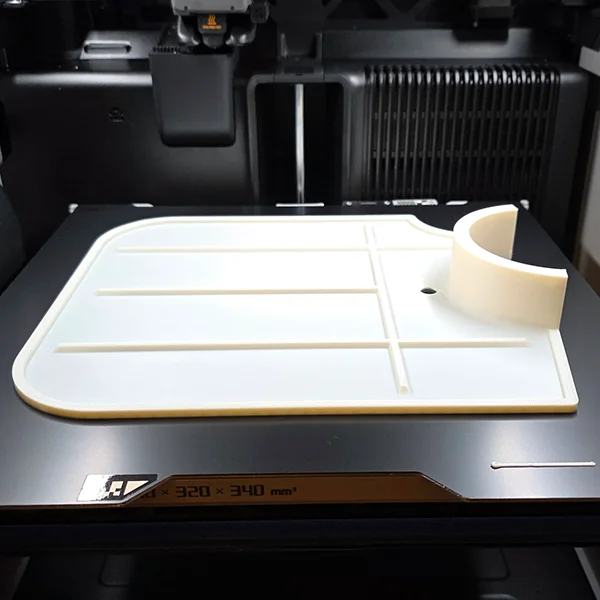

Finally printing engineering filaments without constantly smearing glue stick all over the build plate.
Six nights and around 35 hours of exposure time for the faint O III bubble around the Wolf-Rayet star WR 134.
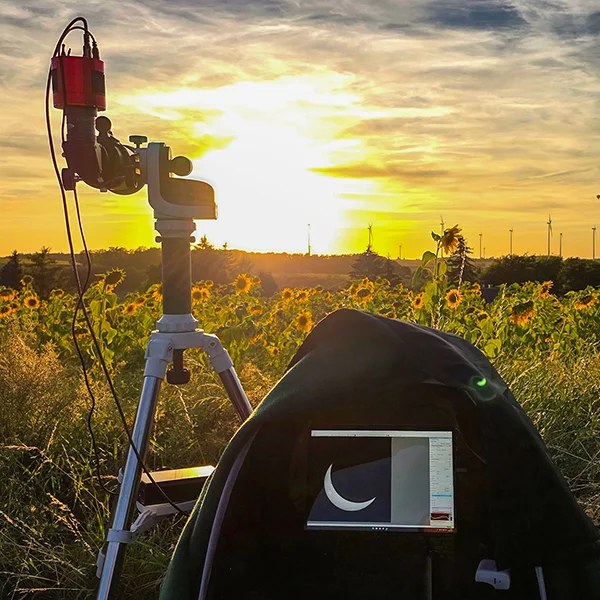
A small family event during the solar eclipse, with two telescopes.
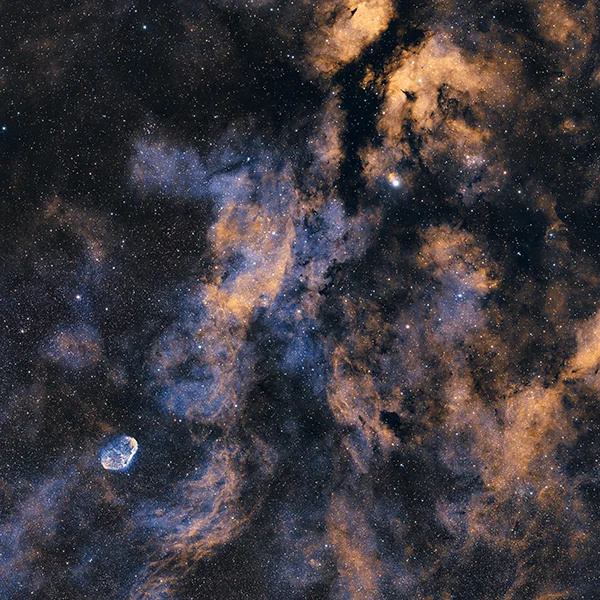
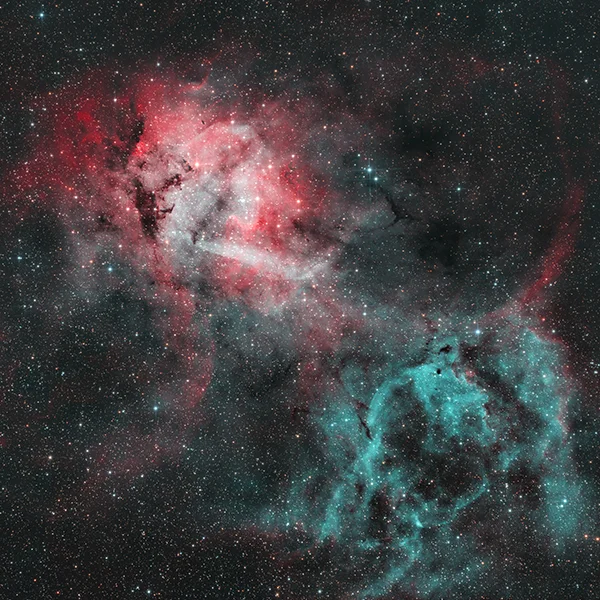
I used the long Pentecost weekend to photograph the Gamma Cygni Nebula.
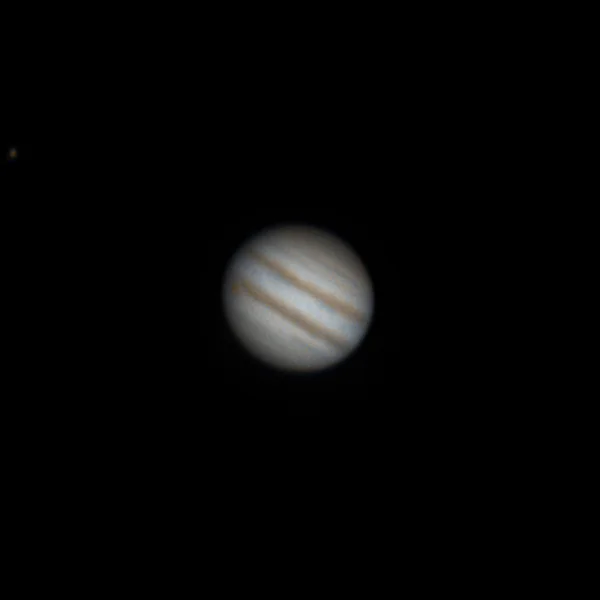
A rushed and crazy idea led to my first Moon and Jupiter images.
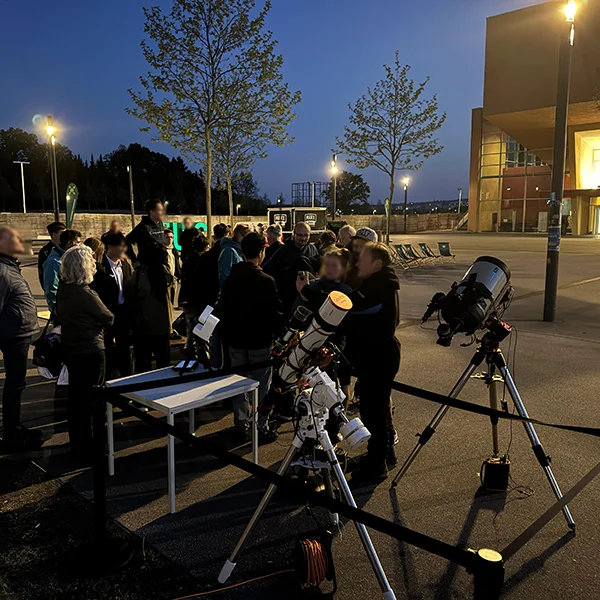
At TUCtag 2026, we joined the Astro-Stammtisch Chemnitz on the campus square, with solar observing, telescopes, radio technology, and a surprising amount of interest.
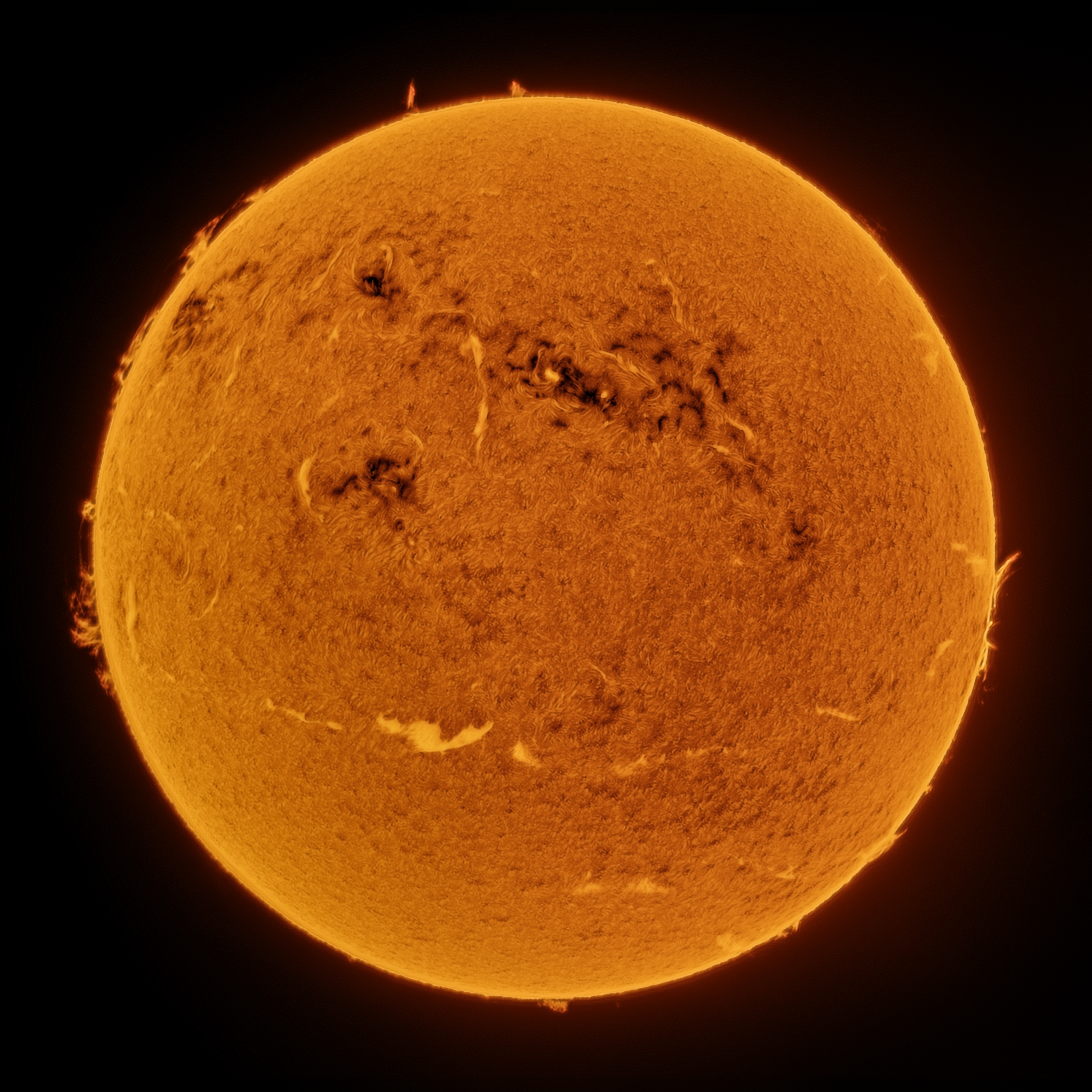
My astronomical observations are no longer limited to the night.
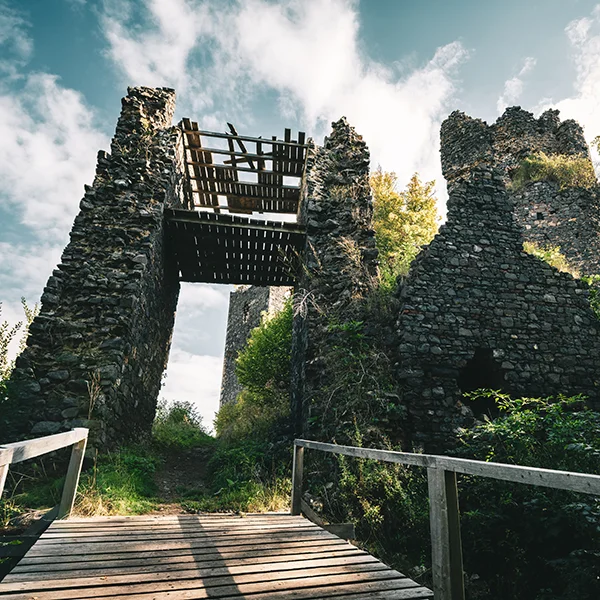
A spontaneous trip to the Bohemian ruins of Hasištejn, Egerberk and Šumburk – featuring difficult parking, deserted castles and a surprisingly well-equipped field kitchen.
My first Fediverse post. Let's see whether it gets fediversed.
On the weekend around 18 August 2025, I finally had clear nights.
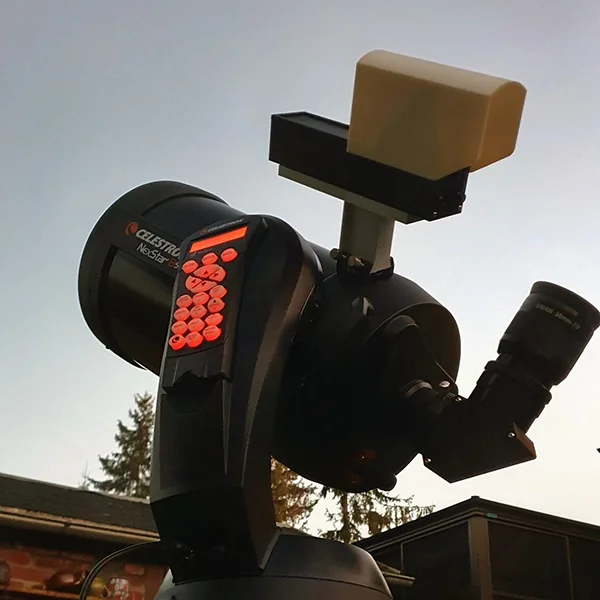
A new Schmidt-Cassegrain telescope has arrived.
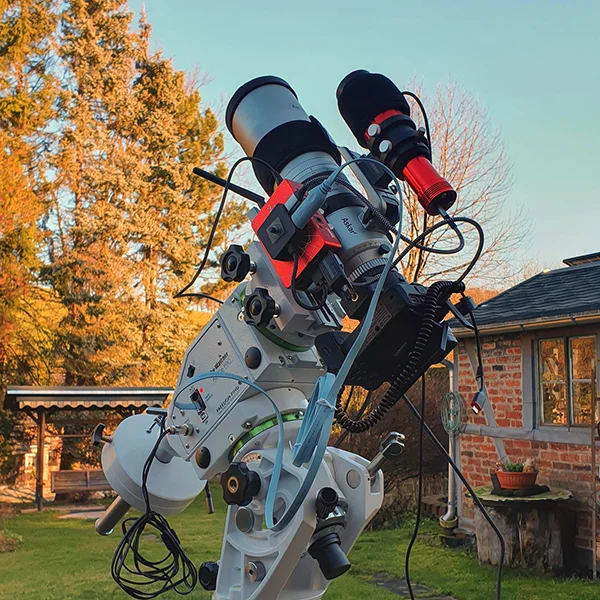
First impressions, setup, and a quick look at the first points of light with the SQA55.
Two nights, very little moonlight, and a surprising amount of O III: Sh2-132 revealed more structure than I initially expected.
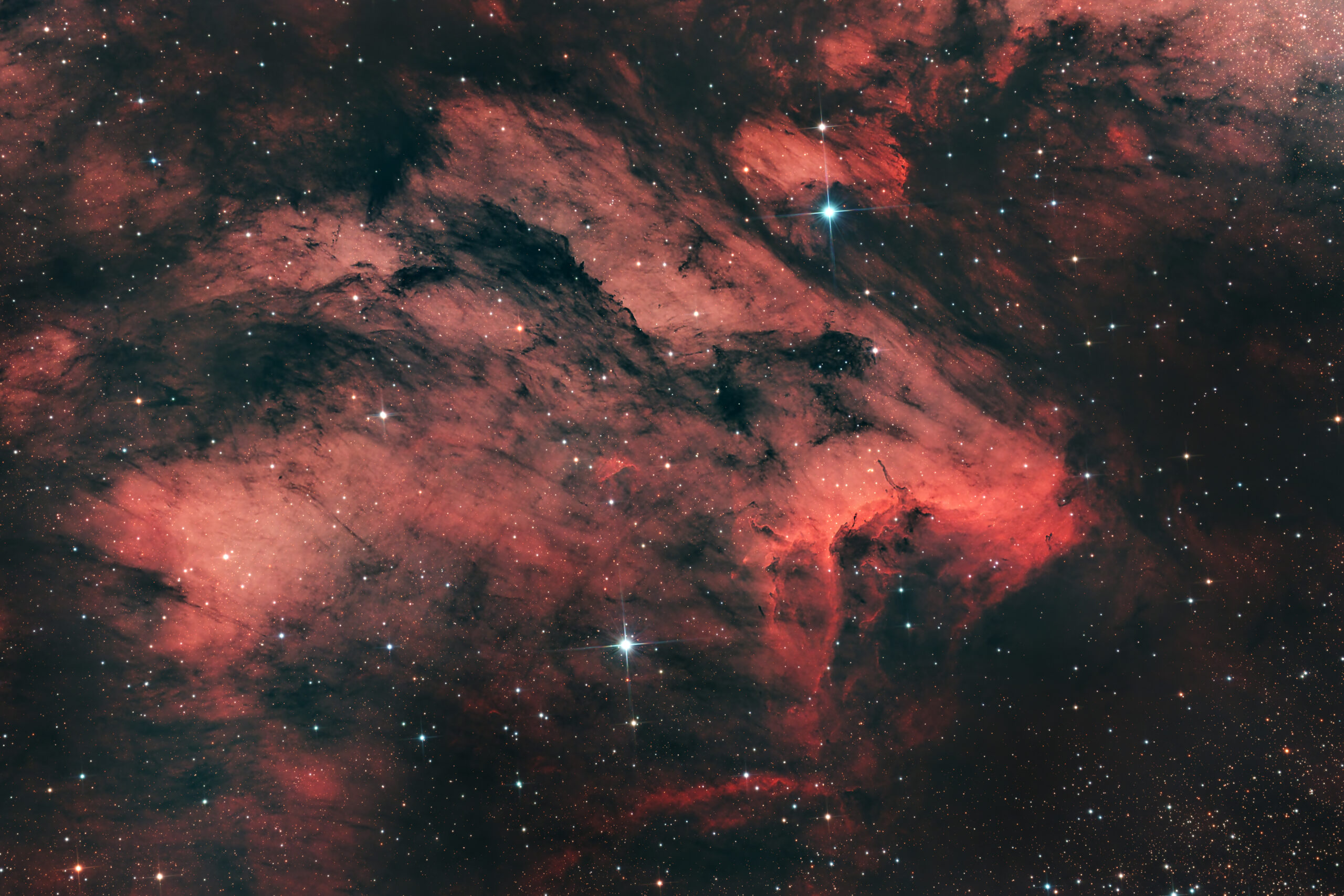
IC 5070, the Pelican Nebula, captured on the night of 11–12 August 2024 with my 8-inch Newtonian telescope and a total integration time of 7.5 hours.
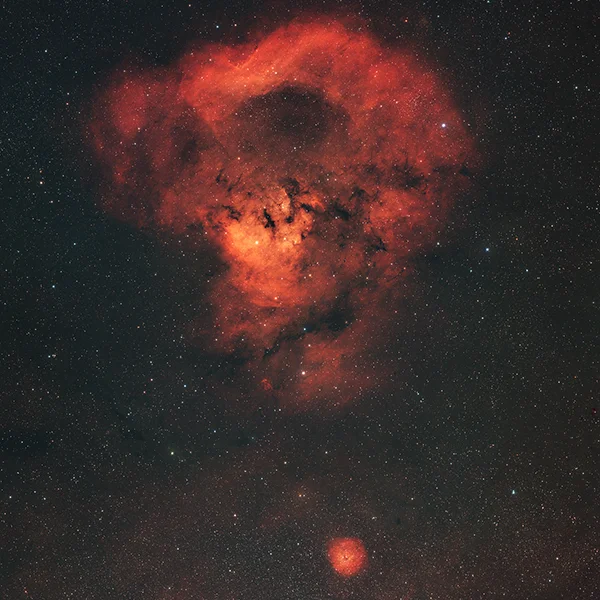
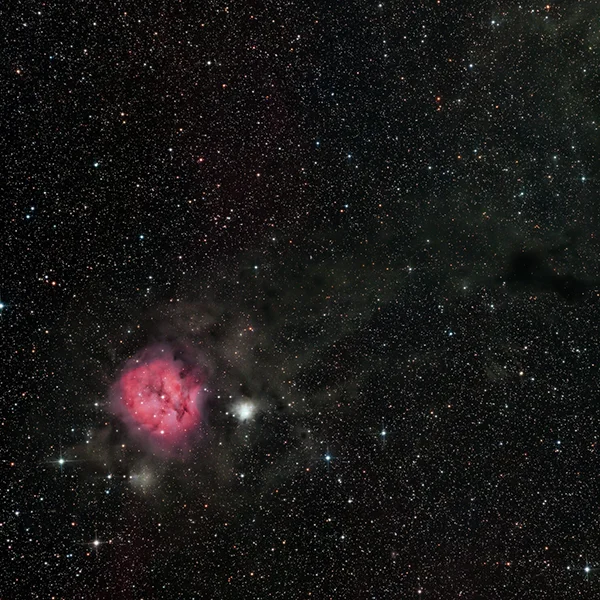
Seven hours of integration revealed not only the pink-red Cocoon Nebula, but also Barnard 168: The dark cloud extending away from it like a long tail.
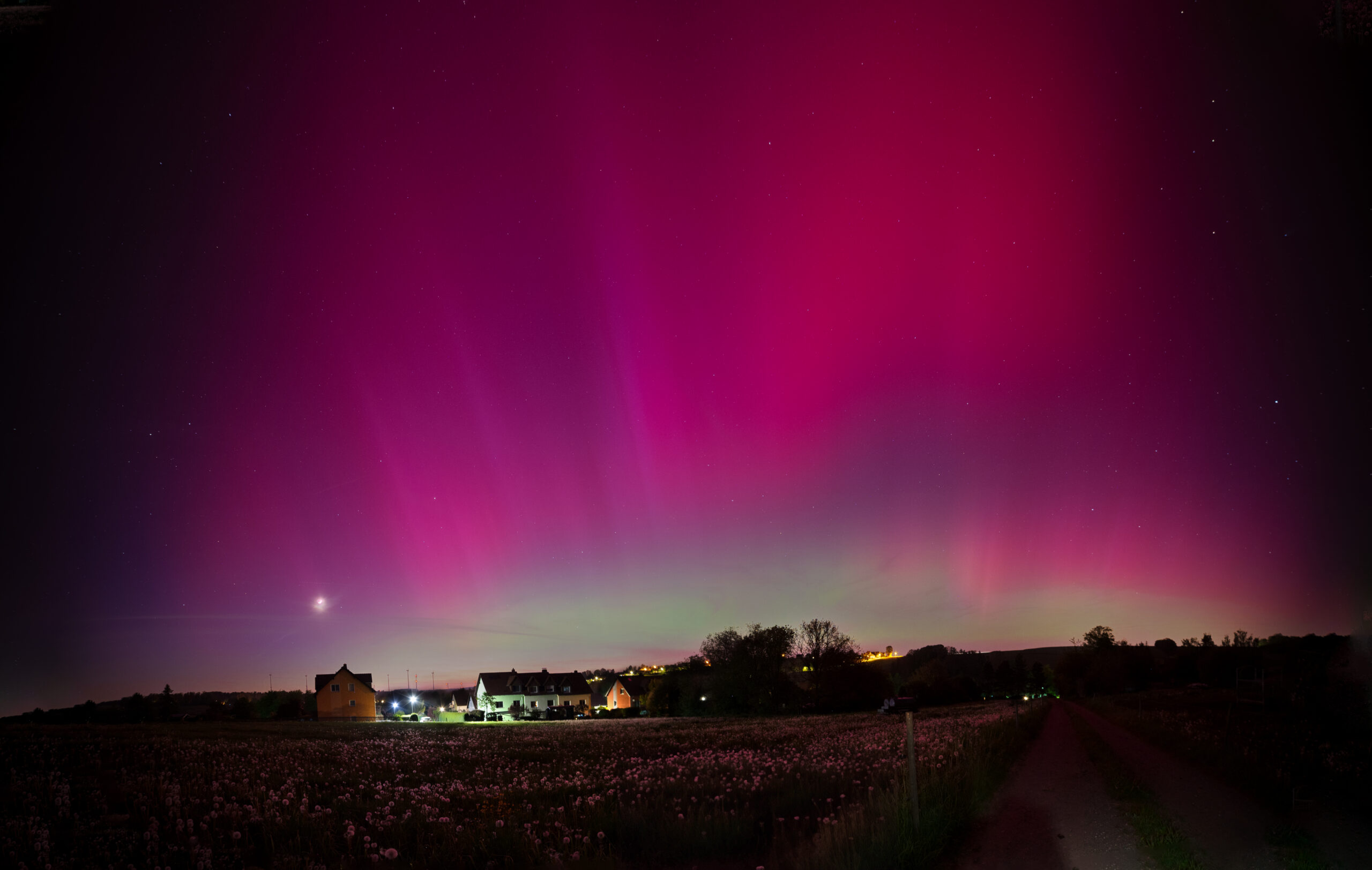
A rather unexected photo bomb in the night sky
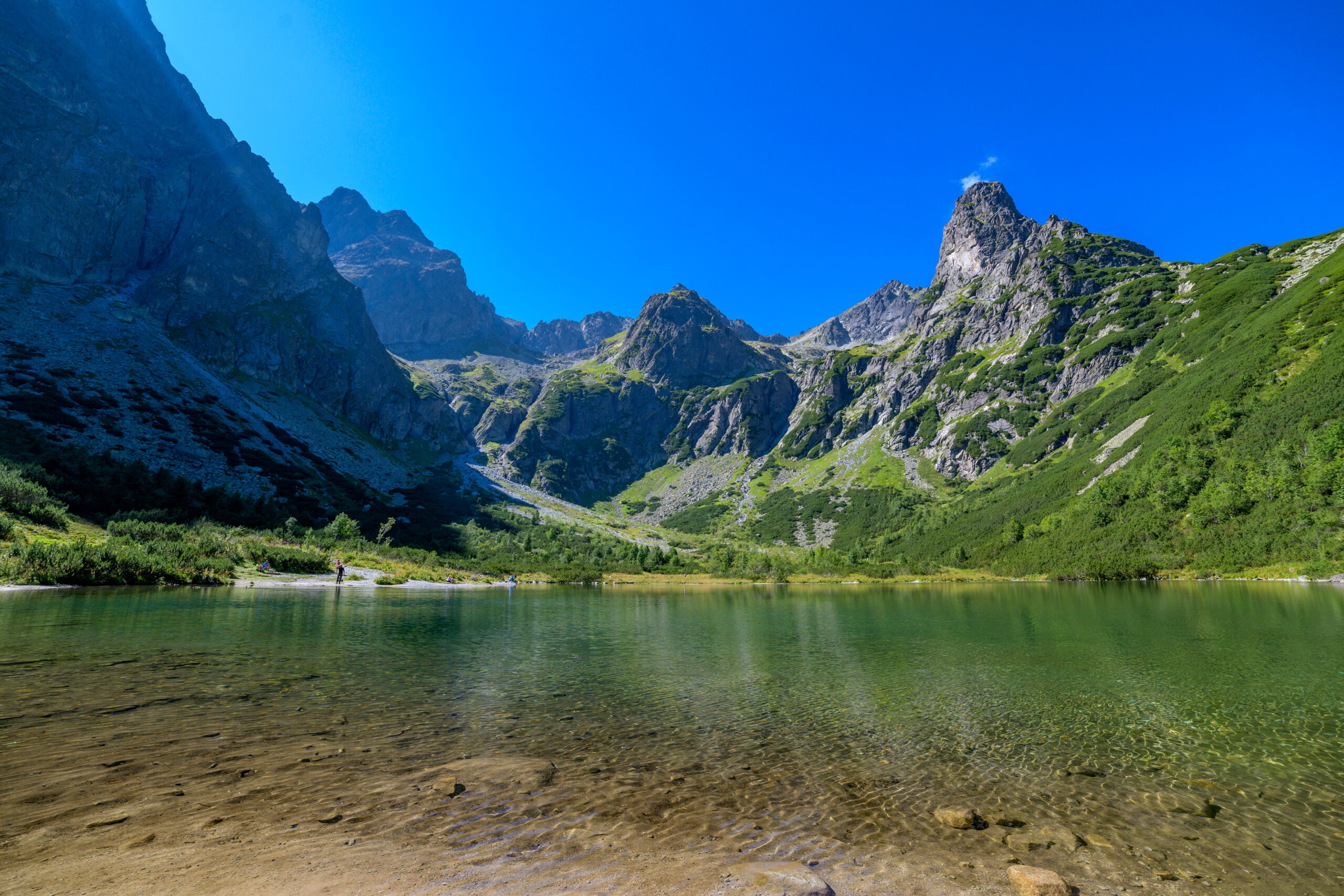
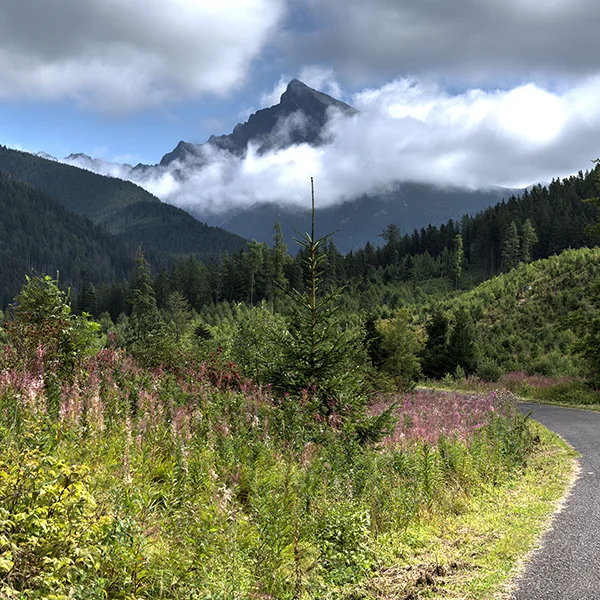
Two hikes, surprisingly cooperative mountain weather, and the UEC Trials European Championships: on our second visit to the High Tatras, mortal peril was largely absent this time—sore muscles, unfortunately, were not.
Between silent valleys, an August snowstorm and half a camera shop in my backpack, the High Tatras showed us just how wonderful a hiking holiday can be - and how flexible the definition of a “good idea” can become.